Immerse in the Battle of Little Bighorn Experience
- Kenneth Woody
- Jul 16, 2025
- 5 min read
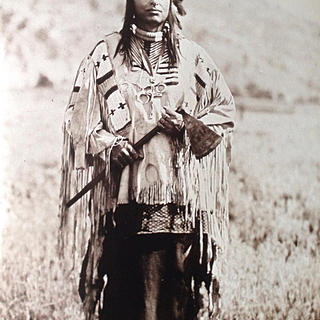
The Battle of Little Bighorn is one of the most famous conflicts in American history. It took place on June 25, 1876, and is often referred to as "Custer's Last Stand." This battle was not just a military engagement; it was a clash of cultures, a fight for land, and a pivotal moment in the history of Native American resistance.
If you are looking to immerse yourself in this historical experience, you are in the right place. This blog post will guide you through the key aspects of the Battle of Little Bighorn, including its background, the events of the battle, and how you can experience this history today.
The Background of the Battle
To understand the Battle of Little Bighorn, we need to look at the events leading up to it. The 19th century was a time of great change in America. The westward expansion brought settlers into lands traditionally inhabited by Native American tribes.
The Sioux and Cheyenne tribes were among those who resisted this encroachment. They were determined to protect their way of life and their territory. Tensions escalated as the U.S. government sought to confine these tribes to reservations.
In 1875, gold was discovered in the Black Hills, a sacred area for the Sioux. This discovery led to an influx of miners and settlers, further straining relations. The U.S. government failed to honor treaties, and the situation became increasingly volatile.
The Key Players
Several key figures played significant roles in the Battle of Little Bighorn.
General George Armstrong Custer: A Civil War hero, Custer was known for his aggressive tactics. He led the 7th Cavalry into battle, underestimating the strength of the Native American forces.
Sitting Bull: A respected leader of the Hunkpapa Lakota Sioux, Sitting Bull was a spiritual leader and a fierce warrior. He played a crucial role in uniting various tribes against the U.S. Army.
Crazy Horse: Another prominent leader, Crazy Horse was known for his bravery and tactical skills. He led his warriors in the battle, showcasing the strength and determination of the Native American forces.
Understanding these figures helps to paint a clearer picture of the battle and its significance.
The Events of the Battle
On the day of the battle, Custer and his men were part of a larger campaign to subdue the Native American tribes. Custer divided his forces into three battalions, intending to attack the village of the Sioux and Cheyenne.
However, he did not realize the size of the Native American forces. Estimates suggest that there were around 2,000 warriors ready to defend their land.
As Custer approached the village, he found himself outnumbered. The battle began with fierce fighting. Custer's troops were quickly overwhelmed. The Native American warriors fought bravely, using their knowledge of the terrain to their advantage.
In just a few hours, Custer and most of his men were killed. The battle was a significant victory for the Native Americans, but it also marked the beginning of a harsh response from the U.S. government.
The Aftermath
The aftermath of the Battle of Little Bighorn was devastating for the Native American tribes. The U.S. government launched a campaign to subdue the tribes, leading to further violence and loss of life.
Despite their victory, the Native Americans faced increased pressure to surrender. The battle became a symbol of resistance, but it also highlighted the tragic consequences of conflict.
Today, the site of the battle is preserved as a national monument. Visitors can learn about the events that took place and reflect on the impact of this conflict.
Visiting the Little Bighorn Battlefield
If you want to immerse yourself in the history of the Battle of Little Bighorn, visiting the battlefield is a must. The Little Bighorn Battlefield National Monument is located in Montana and offers a range of experiences for visitors.
What to Expect
Visitor Center: Start your visit at the visitor center. Here, you can find exhibits that detail the battle, the key figures involved, and the broader context of the conflict.
Guided Tours: Consider joining a guided tour. Knowledgeable rangers provide insights into the battle and its significance. They can answer questions and help you understand the events in greater detail.
Walking Trails: The battlefield features several walking trails. These paths allow you to explore the site at your own pace. You can see key locations, including where Custer and his men fell.
Memorials: The site includes several memorials honoring those who fought in the battle. Take time to reflect on the sacrifices made by both sides.
Tips for Your Visit
Plan Ahead: Check the park's website for hours of operation and any special events.
Dress Appropriately: The weather can change quickly in Montana. Wear comfortable shoes and dress in layers.
Stay Hydrated: Bring water, especially if you plan to walk the trails.
Respect the Site: Remember that this is a place of historical significance. Be respectful of the memorials and the stories they represent.
Engaging with the History
To truly immerse yourself in the Battle of Little Bighorn experience, consider engaging with the history in different ways.
Read Books and Watch Documentaries
There are many books and documentaries that explore the battle and its context. Some recommended titles include:
"Bury My Heart at Wounded Knee" by Dee Brown: This book provides a comprehensive look at the history of Native American tribes and their struggles.
"Custer's Last Stand: The Story of the Battle of the Little Bighorn" by John S. Gray: This book focuses specifically on the events of the battle.
Documentaries: Look for documentaries that feature interviews with historians and Native American perspectives on the battle.
Attend Reenactments
Some organizations hold reenactments of the Battle of Little Bighorn. These events can provide a unique perspective on the battle and allow you to see history come to life.
Connect with Native American Communities
Engaging with Native American communities can provide valuable insights into the history and culture of the tribes involved in the battle. Look for cultural events, workshops, or talks that focus on Native American history.
Reflecting on the Legacy
The Battle of Little Bighorn is more than just a historical event; it is a reminder of the complexities of American history. It highlights the struggles of Native American tribes and the impact of westward expansion.
As you immerse yourself in this experience, take time to reflect on the lessons learned from the battle. Consider the importance of understanding different perspectives and the need for respectful dialogue about history.
A Journey Through Time
Visiting the Little Bighorn Battlefield is not just about witnessing a historical site; it is about connecting with the past. It is an opportunity to honor those who fought and to learn from their stories.
Whether you are a history buff or simply curious about this pivotal moment in American history, the Battle of Little Bighorn offers a rich and engaging experience.
So, pack your bags, plan your visit, and prepare to step back in time. The stories of courage, conflict, and resilience await you at the Little Bighorn Battlefield.

As you walk the grounds, remember the lessons of the past and the importance of understanding our shared history.
Comments