Discover History with Little Bighorn Battlefield Tours
- Kenneth Woody
- Jul 16, 2025
- 5 min read
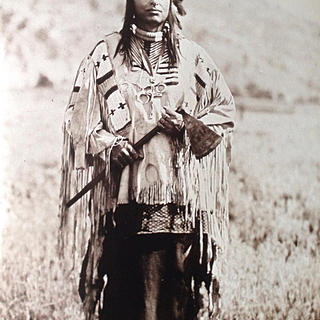
The Little Bighorn Battlefield is a place where history comes alive. It is a site of great significance, marking the location of one of the most famous battles in American history. The battle, fought on June 25 and 26, 1876, was a clash between the United States Army and a coalition of Native American tribes. This battlefield is not just a place to visit; it is a chance to connect with the past and understand the stories of those who fought there.
If you are looking for an engaging way to learn about this pivotal moment in history, consider taking a tour of the Little Bighorn Battlefield. These tours offer a unique perspective on the events that unfolded and provide insights that you may not find in textbooks.
The Significance of the Little Bighorn Battlefield
The Little Bighorn Battlefield is located in Montana and is part of the Little Bighorn National Monument. This site commemorates the lives lost during the battle and honors the Native American tribes involved. The battle was a significant event in the larger context of the Indian Wars, which were a series of conflicts between Native American tribes and the United States government.
During the battle, Lieutenant Colonel George Armstrong Custer led the 7th Cavalry against a large force of Lakota Sioux and Cheyenne warriors. The outcome was a stunning defeat for Custer and his men, with many casualties. This battle is often remembered for its dramatic events and the bravery displayed by both sides.
Visiting the battlefield allows you to walk the same ground where these historic events took place. It is a chance to reflect on the complexities of history and the impact it has had on the present.
What to Expect on a Tour
When you join a tour of the Little Bighorn Battlefield, you can expect a well-organized experience that is both educational and engaging. Here are some key aspects of what you will encounter:
Knowledgeable Guides
The tours are led by knowledgeable guides who are passionate about history. They provide context and details that bring the events of the battle to life. You will learn about the strategies used by both sides, the key figures involved, and the aftermath of the battle.
Scenic Views
The battlefield is set in a beautiful landscape. As you walk through the site, you will enjoy stunning views of the surrounding hills and plains. The natural beauty of the area adds to the experience, making it a memorable outing.
Interactive Learning
Many tours include interactive elements, such as discussions and Q&A sessions. This allows you to engage with the material and ask questions about what you are learning. It is a great way to deepen your understanding of the events that took place.
Commemorative Sites
Throughout the battlefield, there are several memorials and markers that commemorate the soldiers and Native Americans who lost their lives. Your guide will take you to these sites, explaining their significance and the stories behind them.
Planning Your Visit
If you are interested in taking a tour of the Little Bighorn Battlefield, here are some tips to help you plan your visit:
Best Time to Visit
The best time to visit the battlefield is during the warmer months, from late spring to early fall. This is when the weather is most pleasant, and the tours are in full swing. However, be sure to check the specific tour schedules, as they may vary.
What to Bring
When visiting the battlefield, it is important to dress appropriately for the weather. Comfortable walking shoes are a must, as you will be walking on uneven terrain. Bring water and snacks to keep your energy up during the tour.
Duration of the Tour
Most tours last around two to three hours, depending on the specific itinerary. This is enough time to cover the key points of interest without feeling rushed.
Accessibility
The battlefield is committed to making the site accessible to all visitors. If you have specific needs, be sure to check in advance to see what accommodations are available.
The Impact of the Little Bighorn Battlefield
Visiting the Little Bighorn Battlefield is not just about learning history; it is also about understanding its impact on contemporary society. The battle and its aftermath have shaped the relationship between Native Americans and the United States government.
A Place of Reflection
The battlefield serves as a place of reflection for many. It is a reminder of the struggles faced by Native American tribes and the importance of recognizing their history. By visiting the site, you contribute to the ongoing conversation about reconciliation and understanding.
Educational Opportunities
The Little Bighorn Battlefield also offers educational programs for schools and groups. These programs aim to teach younger generations about the significance of the battle and the broader context of Native American history.
Community Engagement
The battlefield is not just a tourist destination; it is a community hub. Local events and programs often take place, fostering a sense of connection among visitors and residents alike. Engaging with the community can enhance your experience and provide deeper insights into the history of the area.
Personal Stories from the Battlefield
One of the most compelling aspects of the Little Bighorn Battlefield is the personal stories that emerge from its history. These narratives humanize the events and allow visitors to connect on a deeper level.
Stories of Courage
Many stories highlight the courage displayed by both the soldiers and the Native American warriors. For instance, the bravery of the Lakota Sioux in defending their land is a powerful testament to their resilience.
The Legacy of Custer
Custer's legacy is complex. While he is often portrayed as a hero, his actions and decisions during the battle have been scrutinized. Understanding his role provides a more nuanced view of the events that transpired.
Voices of the Native American Tribes
It is essential to listen to the voices of the Native American tribes involved in the battle. Their perspectives offer valuable insights into the impact of the conflict on their communities and culture.
Making the Most of Your Tour Experience
To truly appreciate your visit to the Little Bighorn Battlefield, consider these tips for enhancing your tour experience:
Engage with Your Guide
Do not hesitate to ask questions during the tour. Your guide is there to help you understand the history and answer any queries you may have. Engaging in conversation can lead to a richer experience.
Take Notes
If you are particularly interested in certain aspects of the battle, consider taking notes during the tour. This can help you remember key points and allow you to explore further after your visit.
Explore the Visitor Center
Before or after your tour, take some time to visit the Little Bighorn Battlefield Visitor Center. It features exhibits, artifacts, and additional information about the battle and its significance.
Reflect on Your Experience
After your tour, take a moment to reflect on what you have learned. Consider how the history of the Little Bighorn Battlefield relates to contemporary issues and the ongoing dialogue about Native American rights and history.
A Journey Through Time
Visiting the Little Bighorn Battlefield is more than just a tour; it is a journey through time. It allows you to step into the shoes of those who lived through this pivotal moment in history.
As you walk the grounds, listen to the stories, and absorb the beauty of the landscape, you will gain a deeper appreciation for the complexities of the past.
Whether you are a history buff or simply curious about the events that shaped our nation, the Little Bighorn Battlefield offers an unforgettable experience.
So, pack your bags, grab your camera, and prepare to embark on a journey that will leave you with lasting memories and a greater understanding of history.
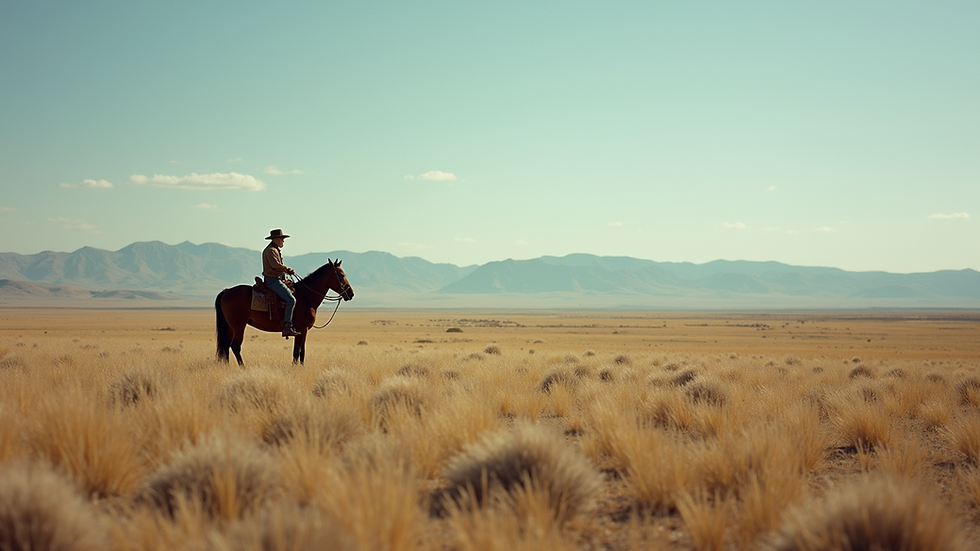
Your adventure awaits at the Little Bighorn Battlefield. Embrace the opportunity to learn, reflect, and connect with history in a meaningful way.

Comments